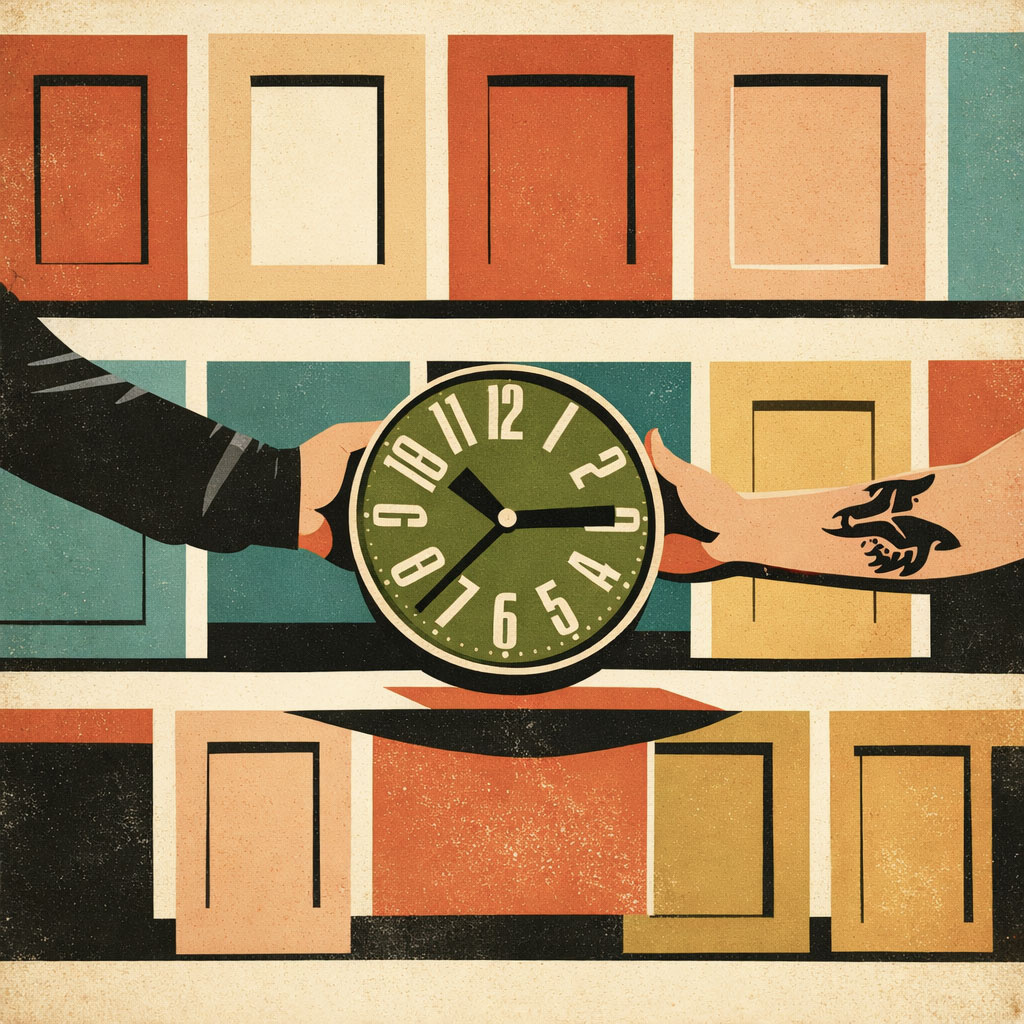
Why Cheap Cabinets Cost More Than They Save
Every contractor has faced the same decision on a remodel job: the client wants to save money, and the cabinet supplier offers two price options that look nearly identical on paper. One is a budget line that saves a few hundred dollars upfront. The other is a higher-end cabinet with longer lead times and tighter specs. Too often, the cheaper line wins because it seems like the path of least resistance.
But anyone who’s installed those “budget” cabinets before knows how quickly that savings evaporates once work starts. Hours disappear in leveling, shimming, hunting down replacement parts, and field-adjusting boxes that don’t sit flush or square. The end result? A crew that loses its schedule advantage, a client who starts asking questions, and a project margin that slowly crumbles under hidden costs.
Cabinets touch nearly every other trade in a kitchen. When they don’t install cleanly, they stall plumbers, countertop installers, electricians, and painters. What looks like a small problem on day one turns into a cascading delay—and you’re the one trying to hold it together.
Cheap materials don’t just slow you down. They challenge your reputation. The client might not notice the brand name, but they notice gaps between doors, drawers that rub, and crown that doesn’t meet the ceiling line. To them, that’s your workmanship, not the manufacturer’s fault.
The Real Price of an Inexpensive Box
The race-to-the-bottom in cabinet manufacturing shows up in more than the sticker price. It shows up in every production shortcut behind that low number:
- Weaker materials. Thin particleboard panels and low-grade laminates flex and chip during handling. They rarely survive one adjustment without creating loose joints.
- Inconsistent sizing. Variances of even ⅛ inch between boxes don’t matter on paper but change everything on the wall. You eat that time correcting it.
- Low-quality hardware. Hinges, glides, and fasteners from cheap suppliers fail quickly. Drawer slides pop loose or grind under load.
- Incomplete shipments. Missing fillers, panels, or hardware happen more often and cause delays when everything else is ready to move forward.
Each issue forces field fixes. Even if small, they compound into real dollars. If your crew bills internally at $70 an hour and two hours go to adjusting misaligned bases or trimming a replacement panel, you’ve already burned through the “savings” that won the bid.
Budget cabinets often show up late or incomplete, adding another layer of inefficiency. You’ve already scheduled your installer and maybe pulled appliances out of storage. A missing filler or damaged door halts everything. Unlike large national contractors who can float the downtime, small shops feel that loss immediately—idle installers equal lost income.
When Installation Time Becomes the Hidden Tax
Installation efficiency is one of the few variables a contractor can control to protect profit margins. Cabinets that fit, align, and assemble predictably keep crews on schedule. Cheap cabinets undermine that control from the start.
Contractors routinely spend hours correcting what better manufacturing could have prevented—shimming to level uneven boxes, adjusting overlay gaps that never quite match, or re-drilling hinge holes when factory placement is off. The time sink is rarely dramatic enough to see at once, but over a full kitchen, it adds up fast.
A crew that expected a one-day install can find itself finishing on day two. Multiply that by several jobs a month and the lost revenue easily exceeds the initial cost difference between the “cheap” and “quality” lines.
An example many installers share: a flat-pack RTA (ready-to-assemble) shipment arrives missing fasteners or panels misdrilled by a few millimeters. The crew improvises fixes on-site, making parts fit through added screws, fillers, or creative shimming. They make it work—but at the expense of their margin and schedule. Those invisible costs never appear on the client’s invoice, but the contractor absorbs every one.
Why Callbacks Destroy Margins—and Credibility
The most expensive problem cheap cabinets create isn’t labor time on day one—it’s callbacks weeks or months later. When door hinges sag, drawers bind, or face frames separate at corners, the client calls the contractor, not the manufacturer.
Each callback means another trip, usually unpaid, and often during a period when your crew is busy on another project. Even if the fault isn’t yours, you’re the face of the install, which makes it your problem to fix.
Callback costs fall into three buckets:
- Time away from new work. Every unscheduled visit means lost production on paying jobs.
- Labor duplication. Two installers making a half-day service call cost a minimum of hundreds in labor and vehicle expense.
- Reputation risk. A client who experiences multiple issues rarely distinguishes between product flaws and poor installation quality. Negative feedback or referrals get impacted.
It only takes a couple of these incidents to erase any advantage of the cheaper purchase. Worse, it can make you second-guess recommending any product to clients in the future. That damages your role as an expert advisor—and limits your ability to upsell quality solutions that make the job smoother for everyone.
The Contractor’s Advantage in Choosing Quality
Higher-end cabinet lines aren’t just about style or premium branding. For professional installers, they’re about predictability and efficiency. Better suppliers—like Honest Cabinets—maintain manufacturing standards that align with how field installation actually happens.
That precision reduces uncertainty. Doors align the first time. Frames match to square, keeping trim lines clean. Pre-drilled holes line up exactly as expected. Hardware arrives complete, packed to survive transport, and documented with part numbers for replacement if necessary.
Contractors who consistently use reliable cabinet suppliers capture three key benefits:
- Schedule stability. Better cabinets mean faster, cleaner installs with fewer unplanned delays.
- Reduced stress on-site. Install crews can follow standard processes without improvising around defects or shortages.
- Higher perceived quality. Clients see tight seams and smooth function—and credit the contractor’s skill, strengthening referrals.
Ultimately, that reliability becomes part of your brand. You stop worrying about what will go wrong and start focusing on production consistency. Over the long term, that difference can define which contractors stay profitable and which constantly fight lost hours and frustrated crews.
Estimating True Project Cost Beyond the Invoice
When bidding kitchen remodels, it’s tempting to list materials and labor with only surface-level calculations. But profit comes from what happens after installation starts, not before. To evaluate true cabinet cost, contractors should factor in:
- Average install time. Track how many hours are typically required per line. Multiply labor rate to find your real cost.
- Replacement or adjustment frequency. Estimate how often parts arrive damaged or misaligned and the time required to fix them.
- Callback probability. If past experience shows budget cabinets trigger even a 1-in-10 callback rate, assign a cost to that risk.
- Crew planning impact. Consider how variability affects scheduling downstream trades and project timelines.
Once you assign real numbers to those items, the “bargain” often disappears. Spending $400–$600 more upfront for quality cabinets that go in smoothly and stay trouble-free almost always yields higher profitability by project closeout.
Experienced contractors already know this instinctively but sometimes struggle to communicate it to cost-conscious clients. The most effective approach isn’t selling luxury—it’s selling predictability. Clients value knowing the project will finish on time, look clean, and maintain its function for years. Quality cabinets make that possible and protect your reputation in the process.
Identifying Red Flags Before You Buy
Even without opening the box, you can often tell if a cabinet line will cause problems. Look for these early warning signs before you commit:
- No published spec verification. Reliable manufacturers share panel thickness, material type, and joinery details.
- Limited or generic warranty language. Short or vague warranties usually indicate minimal quality assurance.
- Inconsistent packaging or labeling. Professionally run operations ship with batch codes, clear labels, and part manifests.
- Unsupported field requests. If you can’t reach tech support or get documentation, you’re on your own when something goes wrong.
If any of these show up, expect installation headaches. Saving a few hundred dollars per kitchen rarely offsets days of troubleshooting down the line.
Building Better Jobs Through Reliable Partners
At the end of the day, your business runs on efficiency—turning materials into finished spaces without friction. Cabinets that fit right the first time are more than a convenience; they’re a profit lever. Cheap products rob you of that advantage by shifting manufacturing defects into your labor column.
Honest Cabinets was built around solving that problem for professional remodelers. We know your crew’s time is your margin. That’s why every product is precision-built, fully checked before shipment, and supported with rapid part replacement if issues do occur. When materials arrive accurate, aligned, and ready to install, you finish faster, schedule more confidently, and protect your reputation with every kitchen you deliver.
A Smarter Way to Protect Your Profit
Cheap cabinets only seem affordable until they start costing you time, rework, and callbacks. Honest Cabinets helps contractors avoid that trap with products engineered for accuracy, durability, and installer ease. Every clean fit, every smooth drawer, and every seamless project completion is proof that true value comes from reliability, not lowest cost.
When you price your next kitchen job, ask yourself one question: do you want to gamble your margin on a bargain—or guarantee it with quality that installs right the first time?
Contact Honest Cabinets today to learn how our contractor-grade lines can keep your schedule tight, your crew productive, and your clients impressed.




 Honest Cabinets

 Honest Cabinets: Jun 18, 2026, 11:55:00 AM